The Error Project
Improving Autodesk's most infamous cryptic errors


Intro
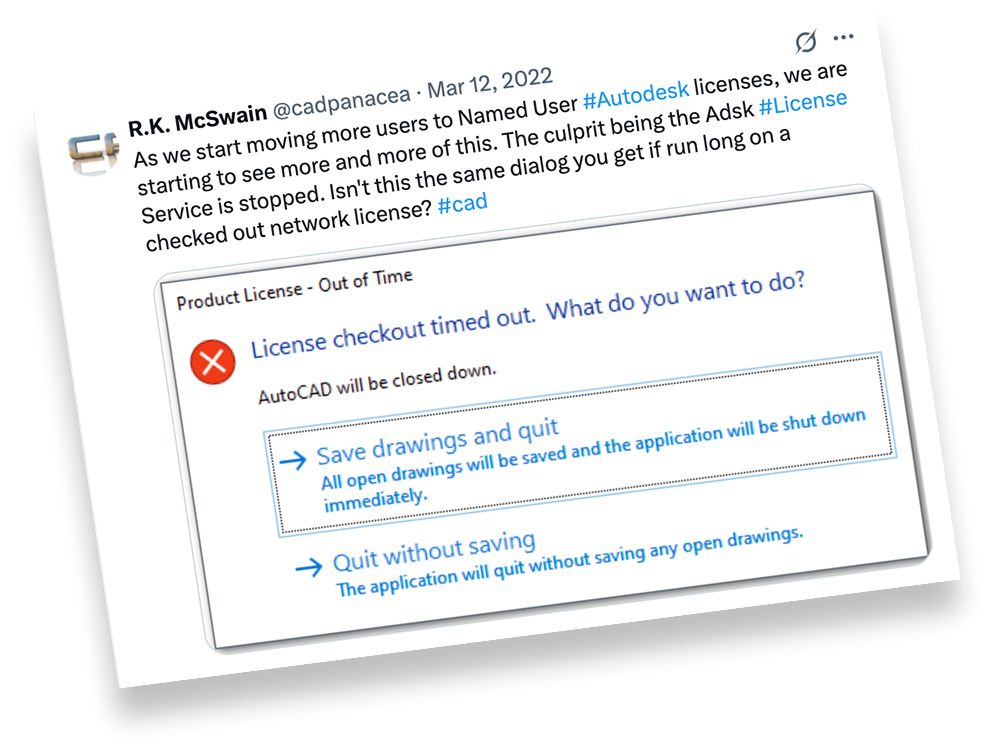
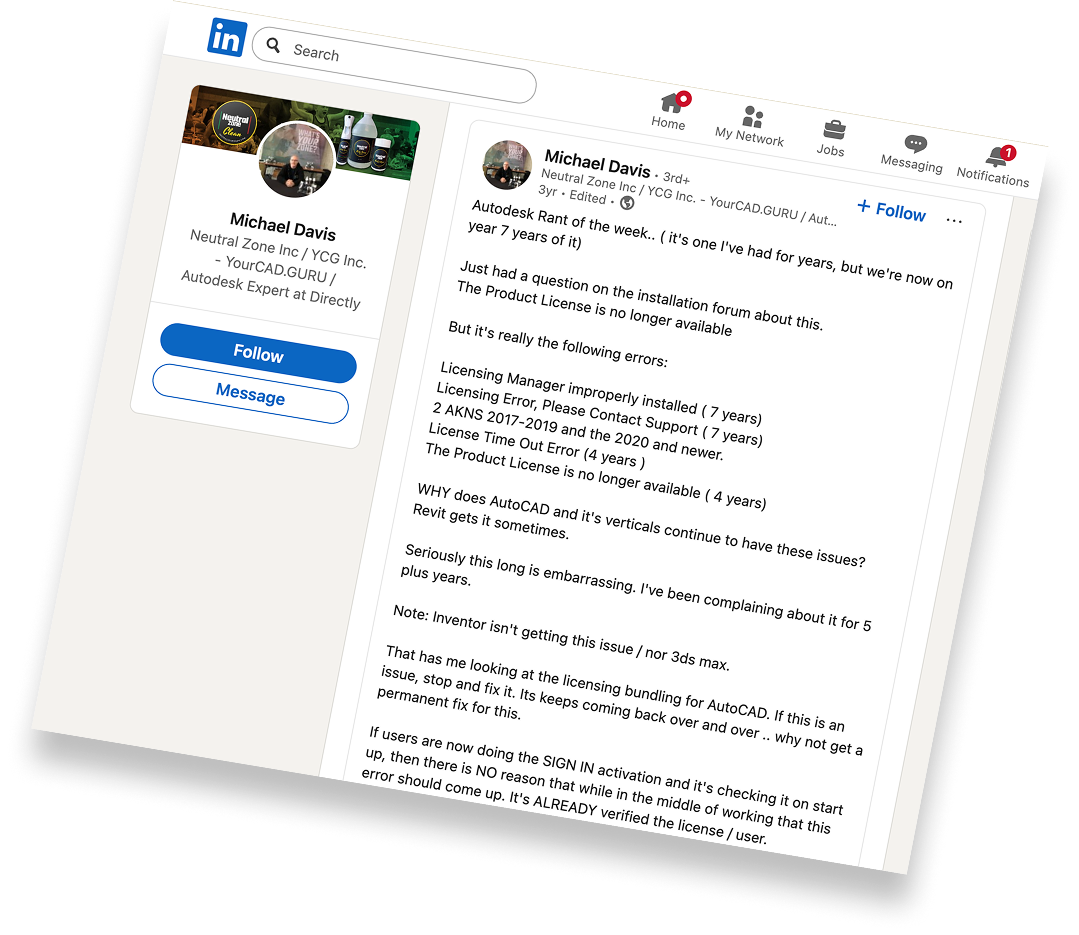
After decades of inconvenience, Autodesk super users took to social media to complain about how frustrated they were with the same old errors.
When Customer Support traced the root of the top support cases to licensing, never before had the Licensing team (now called Product Access) taken such a deep dive into understanding errors as when I initiated the Error Project in 2022.
This is the story of how detailed UX discovery work changed the Autodesk error landscape for good.
How bad were these errors?
Pretty bad.

“I hate how much this dings our reputation.”
~ Andrew Anagnost, Autodesk CEO
Problems



Customers
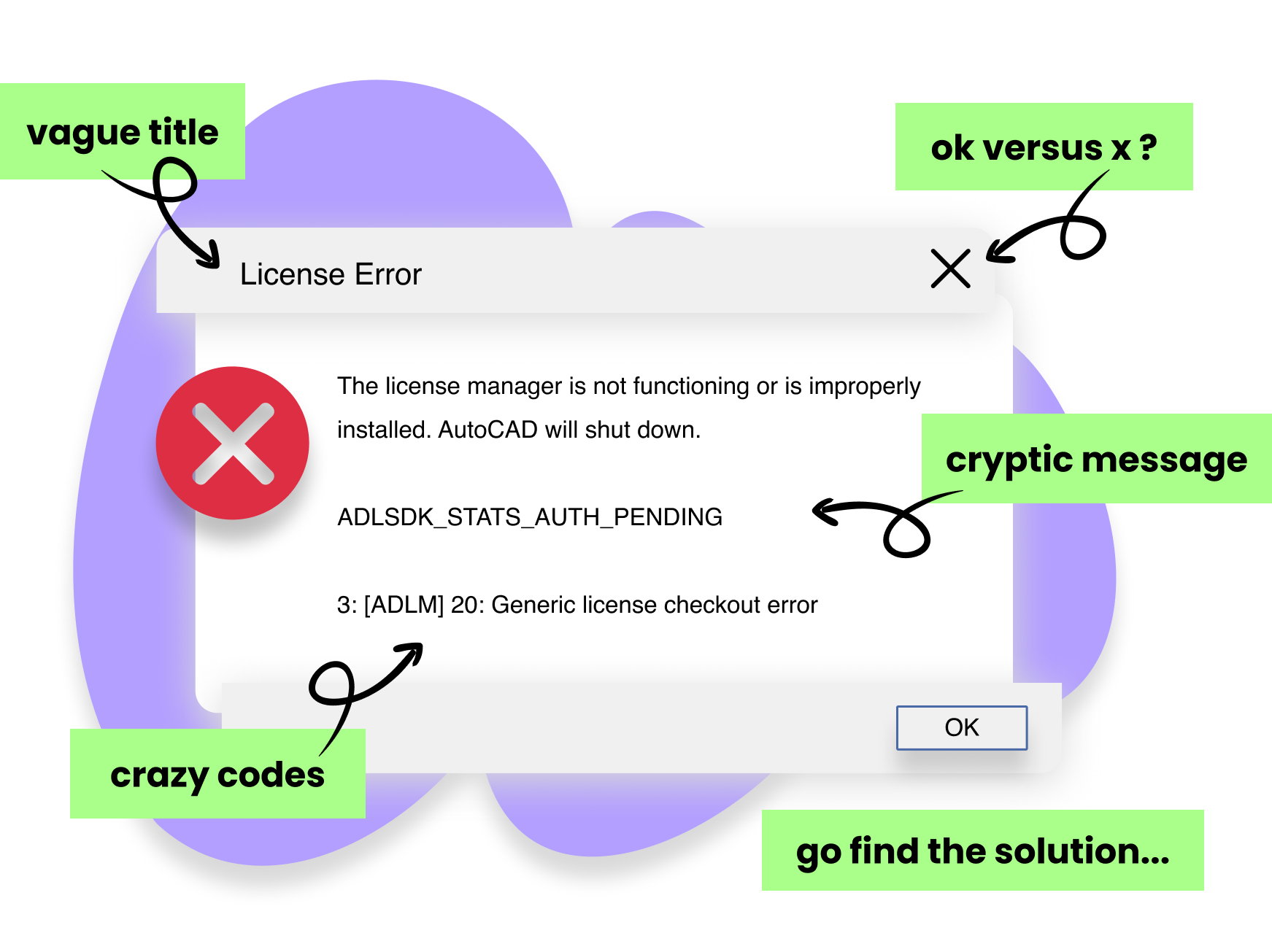
- Cryptic messages and codes
- Access to software blocked
- Increased downtime
- Fragmented troubleshooting
- Feeling unheard in forums
- Frustration all around!




Customer Support
- 20% of cases = same old errors
- Errors have multiple and/or unknown root causes
- Requests to Licensing team and management unanswered




Autodesk
- Brand is associated with errors
- Loss of long-term customer trust
- Developers prioritise "fire-fighting" security / stability issues
- People who created the code no longer work at the company
The Error Hunt

Before I could design new errors, I had to understand them and their causes.
Without a PM nor Engineer to spare, I spent a year leading a UX-led “error hunt;”
deep-mining datasets, categorising chaos and building a stakeholder coalition.
Play the game to learn what challenges I faced along the way.
Tipping the Scales
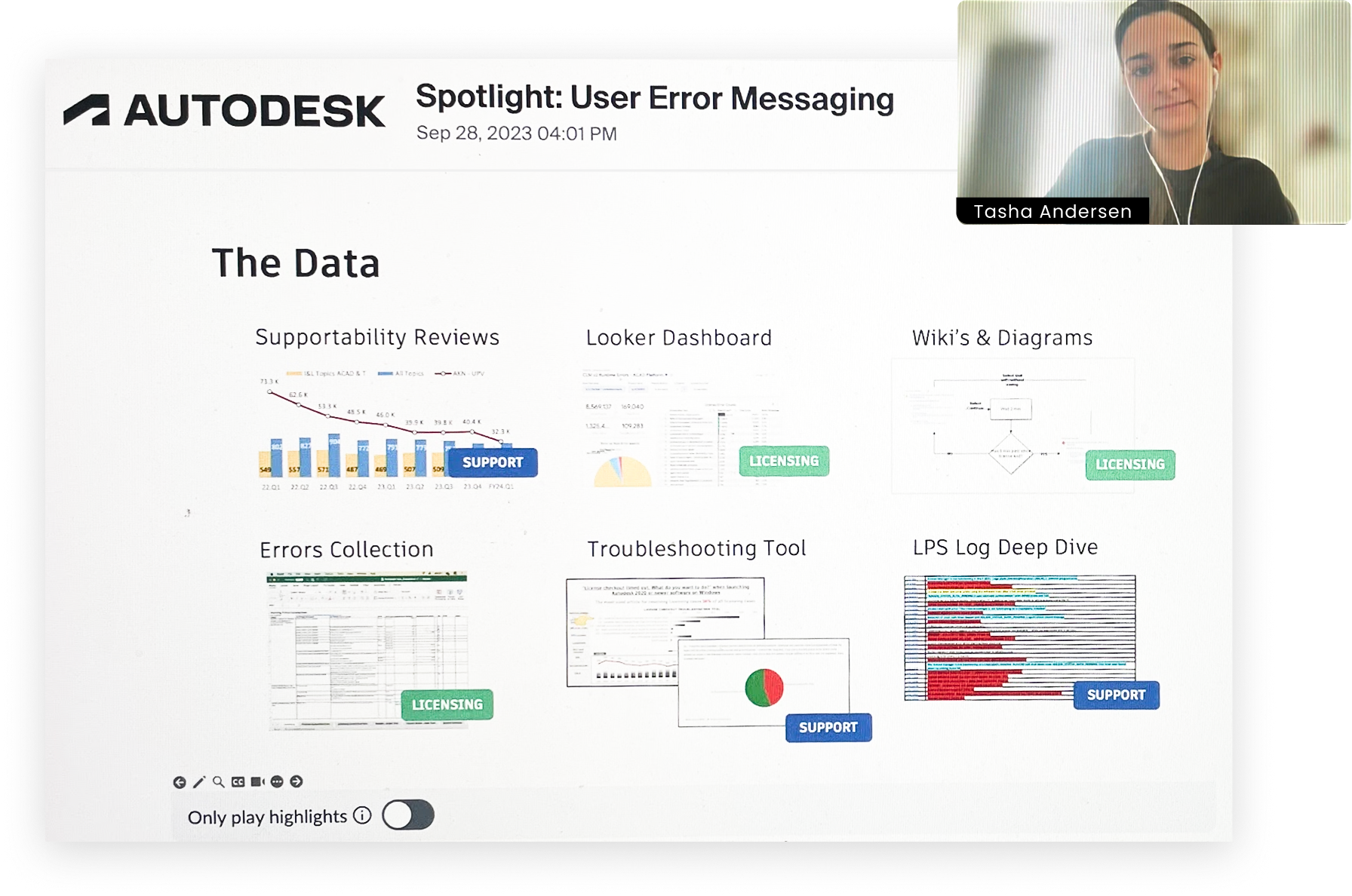
I presented to leadership on the complex world of licensing errors
and the business impact if left unresolved.
My compelling insights rocketed the Error Project into a top-tier initiative, backed by a dedicated team and a mission to build
a new error framework by 2025.
Solution – a new error framework
Every team consists of a WE and a ME.
Explore the accordions to learn how the team approached the problem, and the steps I took as design lead.
We: Licensing team struggled to define which of thousands of errors to improve first. Engineering leads insisted that the PM look into which error events were occurring most frequently within Autodesk's biggest products.
+Me: Noticing the most frequently occurring errors did not overlap with those responsible for 20% of customer support cases, I proposed the first errors we address be a balance of technical and user problems, leading the team to focus on 2 top-occurring errors and 3 of Support's top errors.
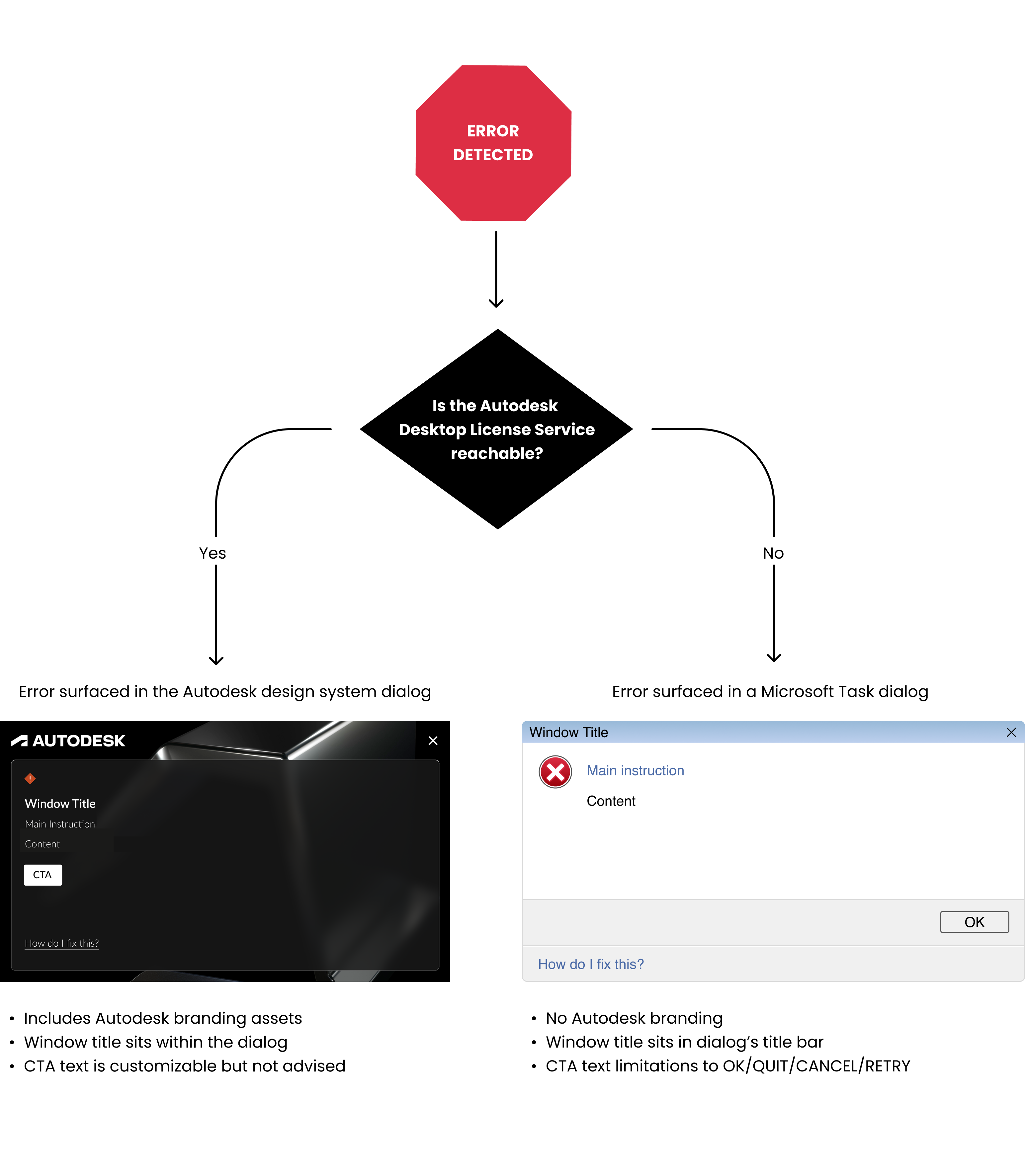
We: The PM sought buy-in from product teams to accept code changes for a new framework, so that the Licensing team could modify licensing-related error experiences. Developers dug into legacy code in search of root causes. The technical solution lead explored how to feed new error messages to products with and without a connection to the Autodesk Desktop Licensing Service.
+Me: I explored the elements of a good error experience, the variety of errors across Autodesk, existing templates and UI styles. I also worked with the technical solution lead to understand what can be passed and surfaced.
We: The PM, technical solution lead, and UX (me) determined what an ideal error experience looks like when all conditions are met, and the fallback experience for when the Autodesk Desktop Licensing Service is unreachable.
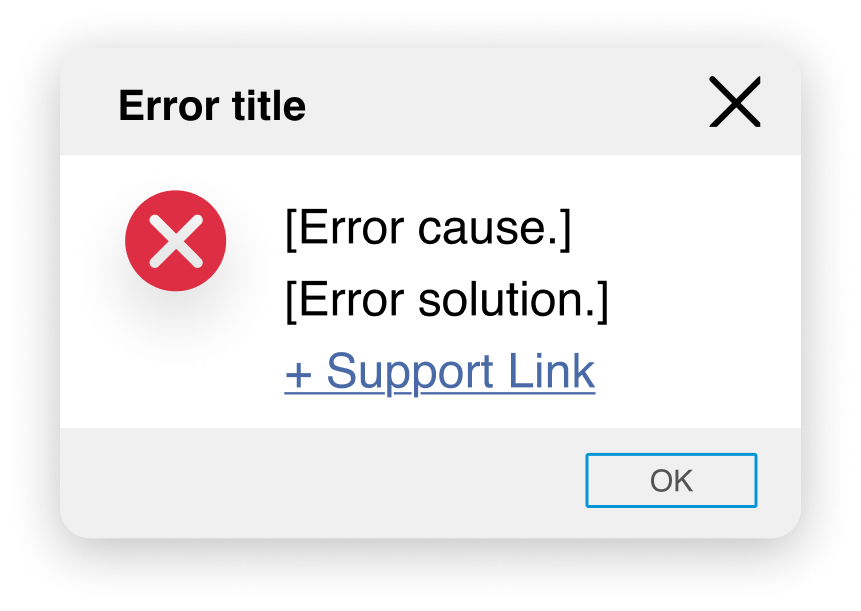
+Me: I created a template for errors that could deliver the same key elements. I sourced visual components from the Autodesk design system and reviewed designs with the Visual Design team, while using Microsoft's safe dialog components for the fallback experience. I co-created copy-text with a senior content designer to ensure consistency with Autodesk language and tone.
We: The PM and Development leadership wanted a guarantee that the new error messages would indeed be "improvements" before committing resources. While I user-tested new error experiences, developers began building the UI template with placeholder text and testing the solution's efficiency. The PM chose checkpoints each product team's willingness to adopt the framework.
+Me: I tested the original errors as a baseline with un-moderated think-aloud tests, against which I tested the new errors with quantitative and qualitative insights. I identified user misinterpretations, expectations, and reasons for low ratings; this helped me to rewrite error messages and share data-based do's and don'ts with the Content Design team.
We: Developers replaced placeholder text within final error messaging, and PM and Engineering leads worked with Product leads to absorb the new framework.
+Me: I held several review sessions with Visual Design, Content Design, and UX designers from Product teams to consider their feedback and seek cross-team approval.
We: Whenever a product team absorbed the new error framework, the PM monitored data, such as user activity on the new Licensing-owned error dialogs, technical error events, and customer support cases. In response to product teams' requests, the PM and solution lead also discussed adapting the framework for macOS.
+Me: I requested that user interactions with new licensing-owned error dialogs be visualised on a dashboard to understand the volume of customers who effectively click on the troubleshooting hyperlink versus those who click on other elements on the dialog. I also proposed how the UI template might translate into a macOS dialog in the future, and when the Visual Design team announced a new design system in 2025, I created a mock-up for how Licensing errors might look when Licensing team adopts the new design tokens.
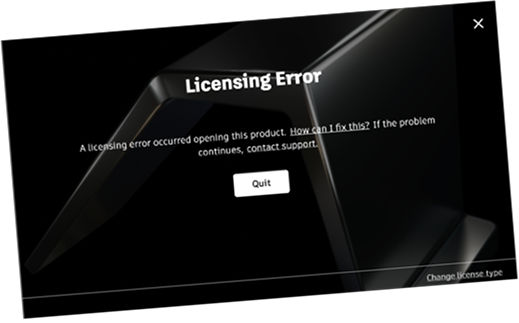
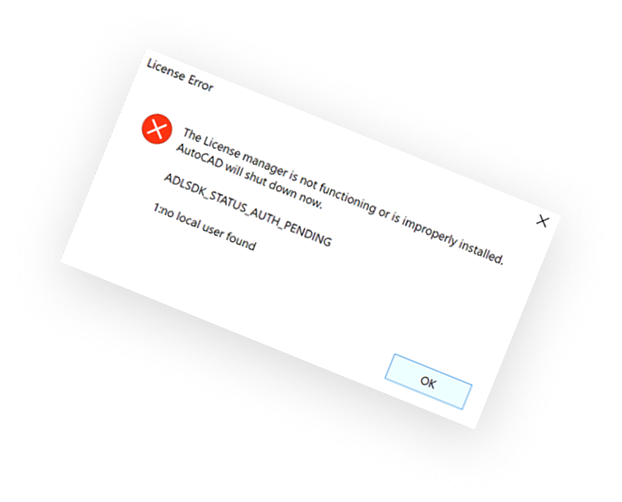
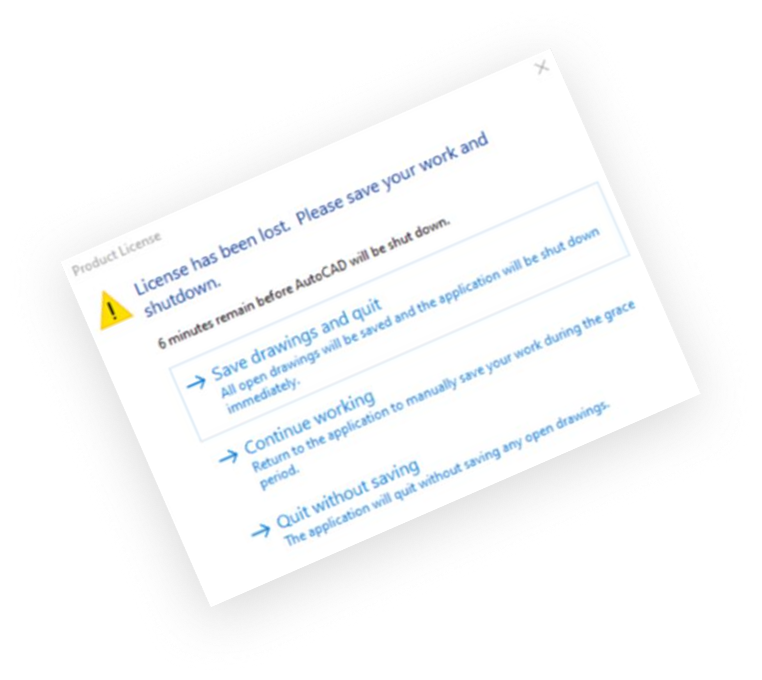
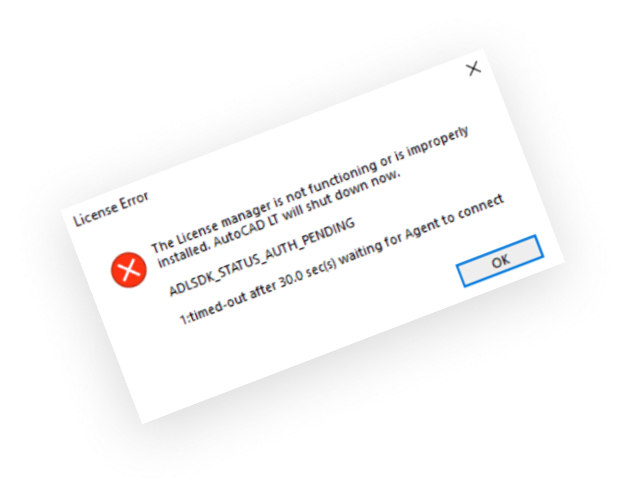
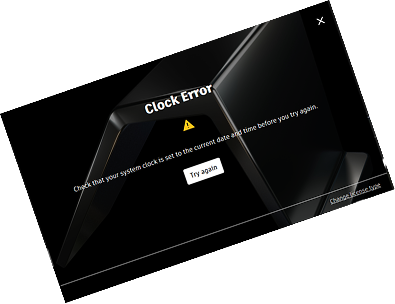
User Research on UserTesting.com
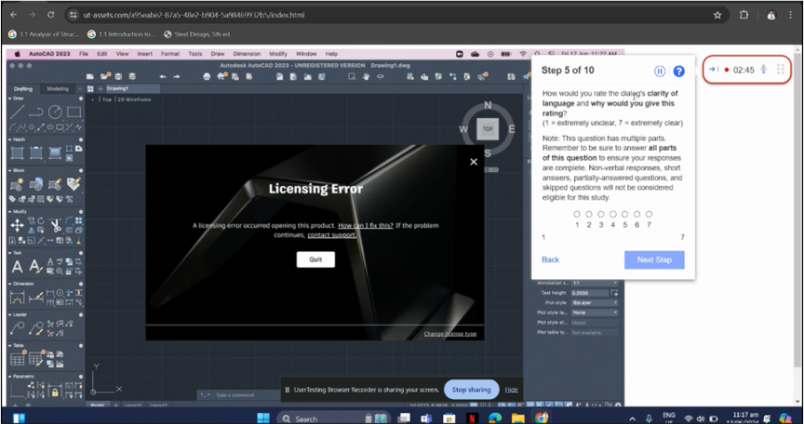
| Original | Redesign | Final | |
|---|---|---|---|
| Error 1 | 11.5 / 21 | 15.7 / 21 | 19.4 / 21 |
| Error 2 | 10.2 / 21 | 17.6 / 21 | 20.1 / 21 |
| Error 3 | 14.3 / 21 | NA | 18.2 / 21 |
| Error 4 | 14.5 / 21 | NA | 19.1 / 21 |
| Error 5 | 16.3 / 21 | 17.7 / 21 | 19.3 / 21 |
"Nobody likes an error. But if there is a link, and it takes you to the steps for how-to-fix it yourself, then I prefer that compared to opening a Support case."
Tingting, Engineer, Singapore
10+ years using Autodesk Products
"I feel panic. How can I be so sure this will be the last time I see this error? And if I cannot fix it, then I have to contact my IT department, or Customer Support..."
Georgio, Architect, Greece
12+ years using Autodesk products
"Error codes mean nothing to me! Talk human, tell me what the problem is - don't make me search for a solution elsewhere."

Ned, VFX Artist, Belgium
20+ years using Autodesk products
The Workflow & Error Templates
1 code = 1 experience.
In an error event, code gets passed from Desktop Licensing to Autodesk products (eg. AutoCAD, Maya, Inventor, etc.),
and regardless how each product handles the code, it translates into a consistent error experience.
Nobody likes an error.
But what if it were the perfect error?
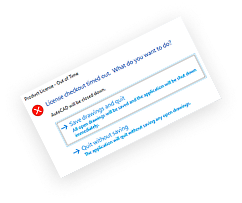
The *NEW* Error Experience
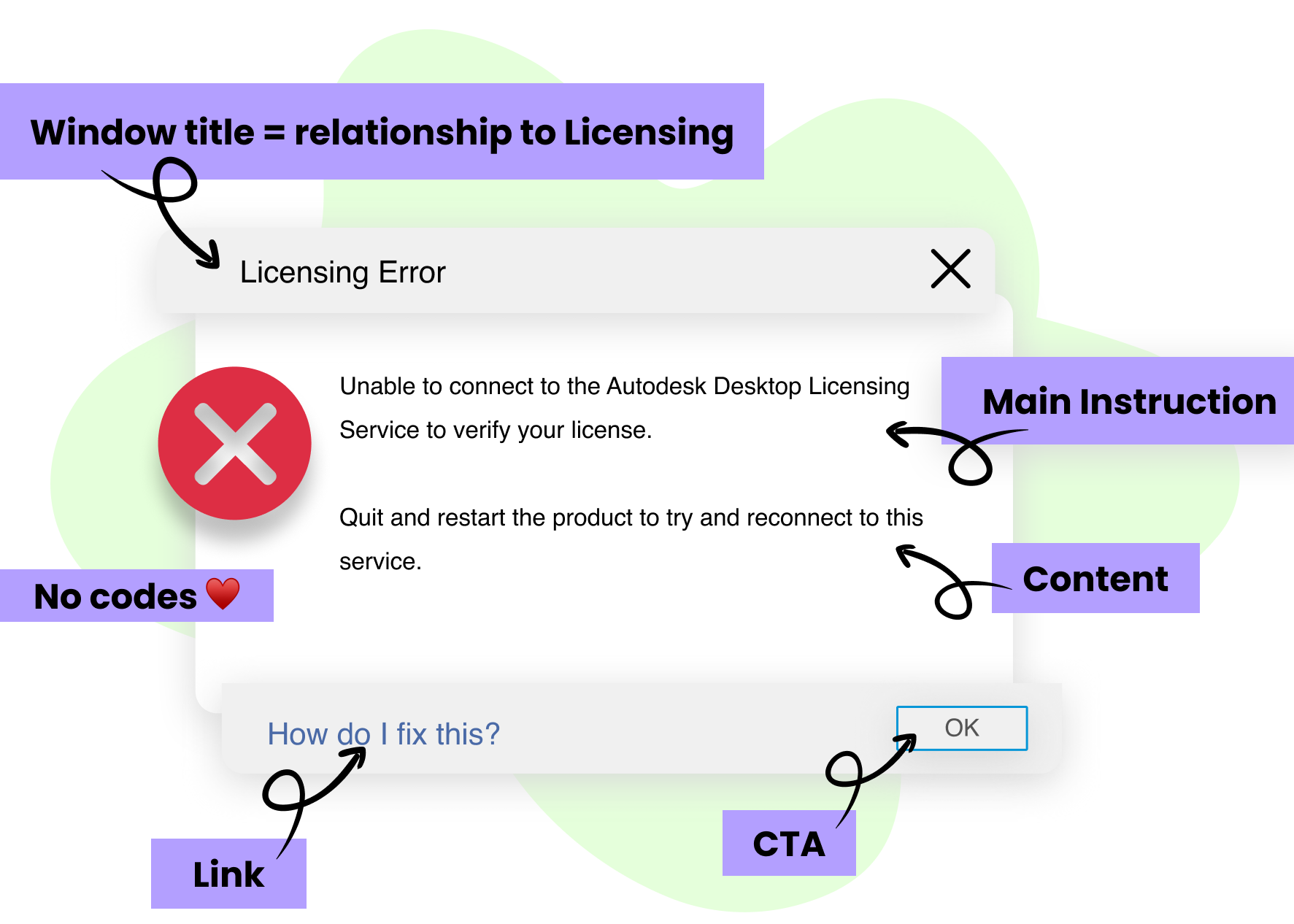
All new error experiences have these key elements:
Window title
To clearly reflect it is a licensing error (ie. not the connection, server, service, software, user, etc)
Main Instruction
To explain the problem (if possible)
Content
To explain the solution (if possible)
CTA
To close the error and initiate the product's native exit sequence and enable manual relaunch
How do I fix this? link
To redirect users to a self-help article with troubleshooting steps
Measurable Impact


Before (2023)
- 200+ Licensing-related errors have the same text, but have different or multiple causes and articles
- 20% of the Support team's quarterly cases are linked to Licensing's top error (~700 cases)
- 54% of those (~380 cases) are resolved by reconnecting to the Licensing Service Manager while 46% of those (~320) offer users 10+ other possible solutions before connecting to Support


After (2025)
- 20% to 1% : With a self-help hyperlink in-dialog and updated articles, Support cases related to Licensing's top error dropped significantly
- ~88,000 to ~1,000 : With technical adjustments to legacy code, error events per month plummeted
- ~85% of users are not clicking on the self-help link first but following new instructions to closing error the dialog to relaunch the product, suggesting that users are understanding the new messaging and reconnecting to the Licensing Service
- Licensing team now technically “owns” its errors!
Unexpected magic
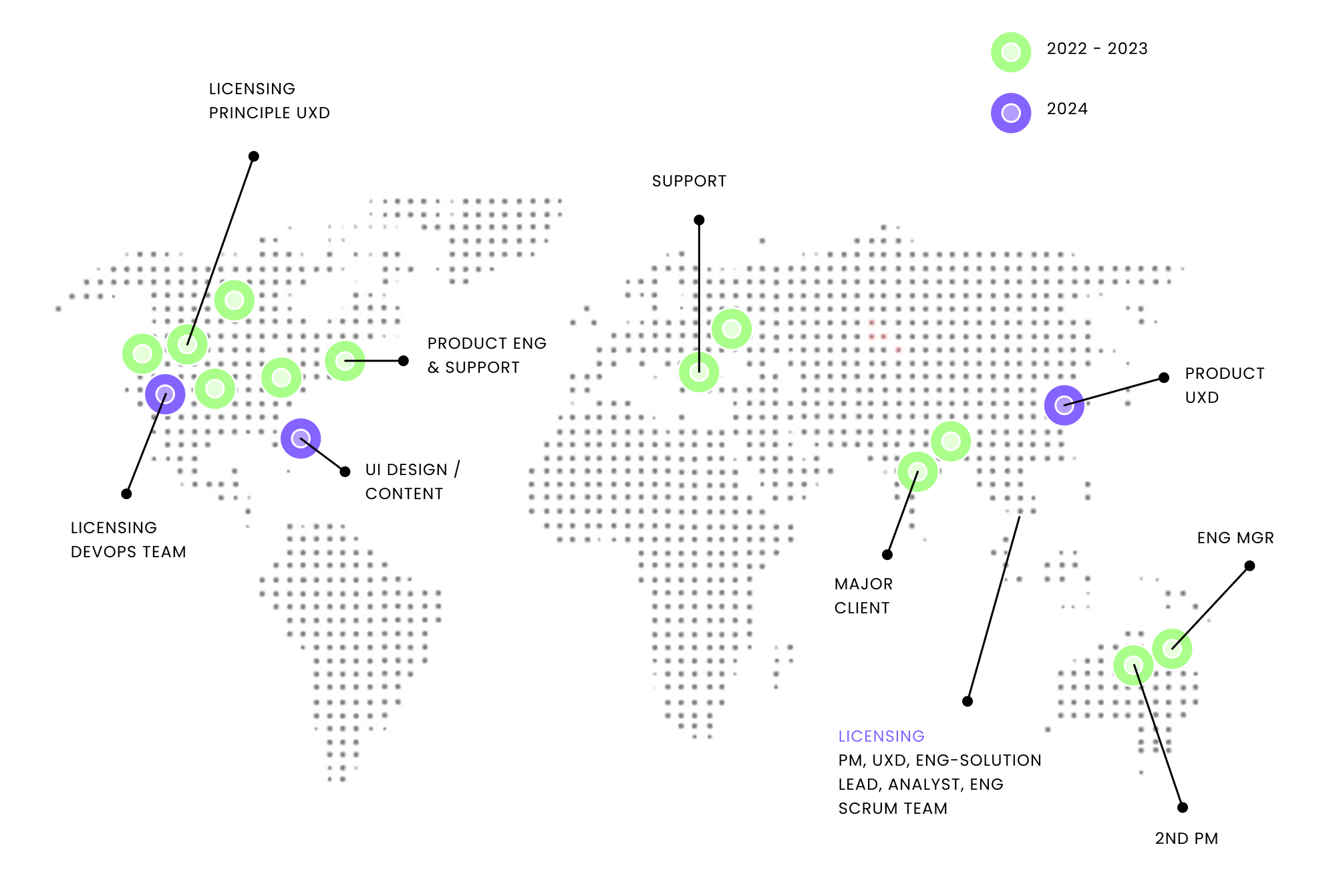

- An “error network” forged across geos, teams and roles
- An influential presentation about fixing errors for business secured resources and showed technical stakeholders the value of UX and involving designers in the project discovery phase
- First-time stakeholder exposure to user research processes and insights, which gave them confidence in new errors.
- UT insights contributed towards the Content Design team's playbook for error-writing
- Customer Support updated troubleshooting paths to reflect solutions proposed by Licensing, resulting in positive customer feedback about self-servicing
- Licensing UX and PM initiated conversations with their counterparts in product teams, creating allies for future work